

Why Am I Not Losing Fat Even With Exercise?
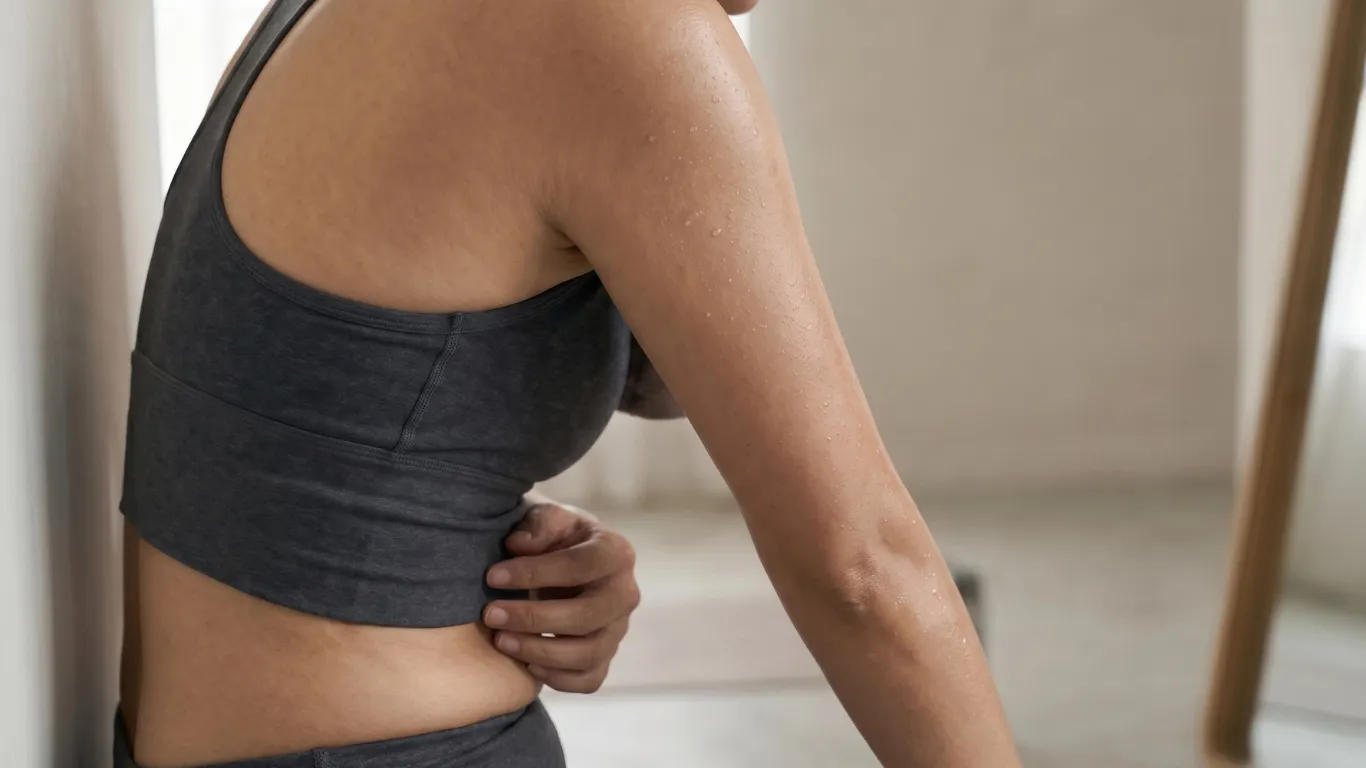
You are exercising consistently, eating better, and trying to stay disciplined — but your body shape still does not seem to change. This can feel discouraging, especially when certain areas such as the belly, arms, thighs, or love handles remain soft despite regular effort.
In Singapore, this is a common concern for people with busy schedules, long working hours, stress, irregular meals, and limited recovery time. Sometimes, the issue is not that you are doing nothing. The issue is that your body has adapted to what you are doing.
This guide explains why fat loss can stall, why stubborn fat behaves differently, and how non-invasive body contouring treatments at U Aesthetics may support your journey when lifestyle efforts alone have reached a plateau.
Why Fat Loss Stops Even When You Exercise
At the beginning of a fitness journey, progress can feel fast. Your weight may drop, your clothes may feel looser, and your body may respond quickly. But after a while, the same routine may stop producing the same results.
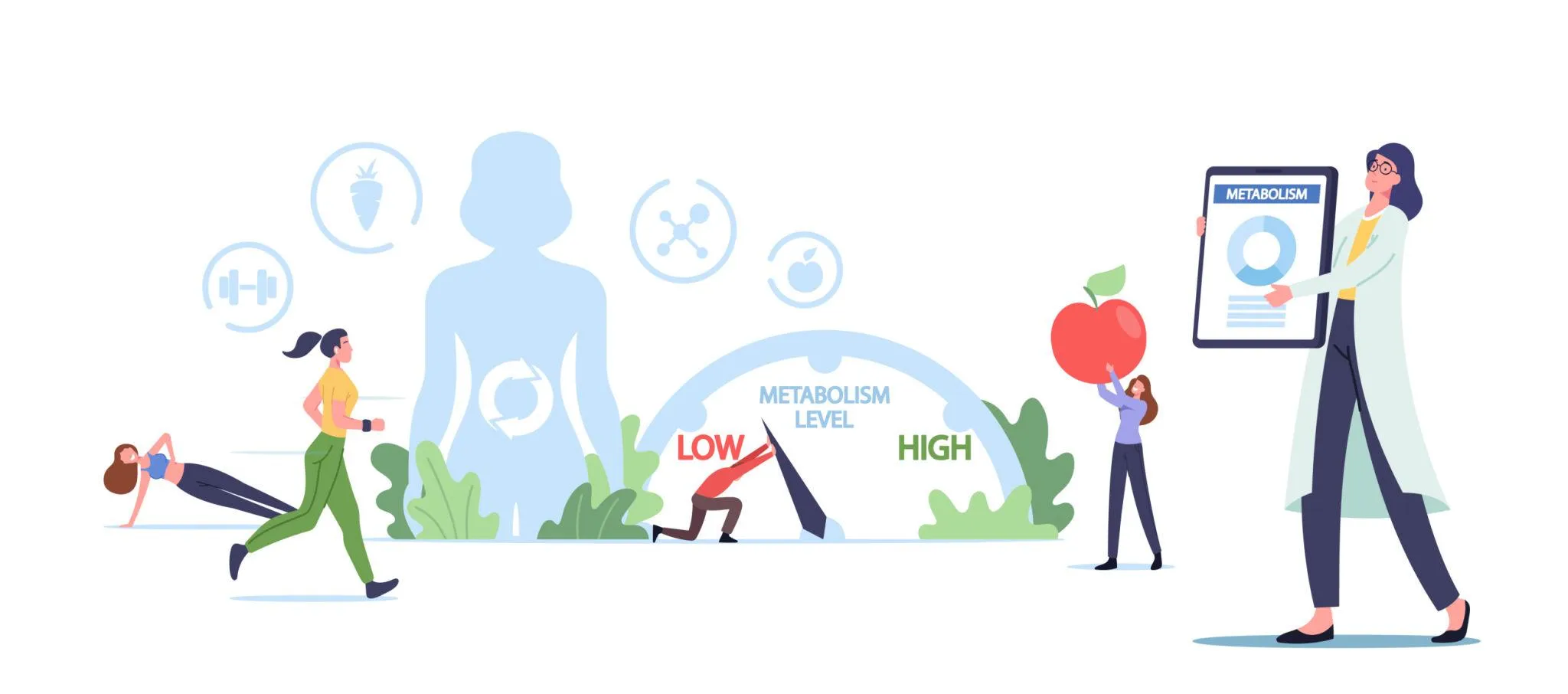
This is known as a fat loss plateau. It happens because the body is highly adaptive. When you repeat the same exercise routine and eating pattern for a long time, your body becomes more efficient at using energy. In simple terms, the workout that used to challenge your body may no longer create the same fat-burning effect.
Other factors can also make fat loss slower, including stress, lack of sleep, hormonal changes, water retention, inconsistent meals, and reduced daily movement outside of workouts. For many people in Singapore, long office hours and high stress levels can make this even more noticeable.
This does not mean your effort is wasted. It simply means your body may need a more strategic approach instead of repeating the same plan and expecting different results.
Why Exercise Does Not Always Change the Area You Want
One of the biggest misunderstandings about fat loss is the idea of spot reduction. Many people do abdominal exercises to lose belly fat, arm workouts to slim arms, or thigh exercises to reduce thigh fat. These exercises can strengthen muscle, but they do not force the body to burn fat from that exact area.
Fat loss happens across the body based on genetics, hormones, fat cell behaviour, and overall energy balance. This is why you may notice your face or upper body changing first, while your lower abdomen, arms, or thighs remain the same.
Common areas that respond slowly include:
- Lower abdomen and waistline
- Love handles or flanks
- Upper arms
- Inner thighs and outer thighs
- Back or bra bulge area
If your goal is body shape improvement, exercise is still important — but it may need to be supported by targeted strategies for areas that do not respond easily.
What Is Stubborn Fat?
Stubborn fat refers to fat pockets that remain even when you are generally active and maintaining a healthier lifestyle. These fat deposits are not always caused by laziness or overeating. Sometimes, they are simply areas where your body prefers to store fat.
Stubborn areas may be influenced by:
- Genetics and natural body shape
- Hormonal changes and stress response
- Slower circulation in certain areas
- Skin laxity after weight changes
- Fat cells that are more resistant to breakdown
This is why two people can follow similar workout routines but see very different body results. Your body composition, fat distribution, and skin quality all affect how your shape changes.
Why Your Body Shape May Not Change Even After Weight Loss
Losing weight and changing body shape are not always the same thing. Weight loss simply means the number on the scale is going down. Body contouring is about how your body looks in specific areas — such as a flatter waistline, smoother arms, firmer thighs, or more balanced proportions.
Some people lose weight but still feel that their silhouette looks soft or undefined. This can happen when fat reduction is uneven, muscle tone is low, or the skin has reduced firmness. It can also happen when stubborn fat pockets remain after general weight loss.
For example, someone may become lighter on the scale but still notice belly bulges, soft upper arms, or a less defined waistline. In this situation, the concern is not only “weight” — it is body shape, firmness, and contour.
That is why a more complete approach often looks at fat reduction, skin firmness, muscle tone, and lifestyle habits together.
What Actually Works After a Fat Loss Plateau?
When progress stops, the solution is not always to exercise harder or eat less. In fact, pushing too aggressively may increase stress, affect sleep, and make your body feel even more resistant.
A smarter approach may include:
- Progressive training: Adjusting your workout intensity, resistance, or structure over time.
- Better recovery: Improving sleep and stress management so your body can respond better.
- Consistent nutrition: Focusing on sustainable eating instead of short-term restriction.
- Daily movement: Increasing walking and general activity outside formal workouts.
- Targeted contour support: Addressing stubborn areas that do not respond easily to lifestyle alone.
The goal is not to replace healthy habits. The goal is to build a more complete plan that supports both fat reduction and body shape improvement.
How Non-Invasive Treatments Can Support Stubborn Fat Areas
Non-invasive body contouring treatments are designed to complement lifestyle efforts — not replace them. They are often considered when someone has been exercising and eating better, but still struggles with specific areas that remain unchanged.
At U Aesthetics, our Body Treatment options focus on supporting different body concerns, including stubborn fat, firmness, toning, reshaping, and contour improvement.
For stubborn fat areas, Onda Pro Coolwaves may be suitable for those who want to target resistant fat layers while also supporting skin firmness. For more defined fat pockets, Cryo 360 Fat Freeze may also be explored depending on your body area and goals.
When lifestyle changes are already in place, the next step is usually identifying whether the concern is localised fat, skin laxity, muscle tone or a combination. LAVAĒ Sculpt's body treatment guide shows how different technologies may be matched to those concerns.
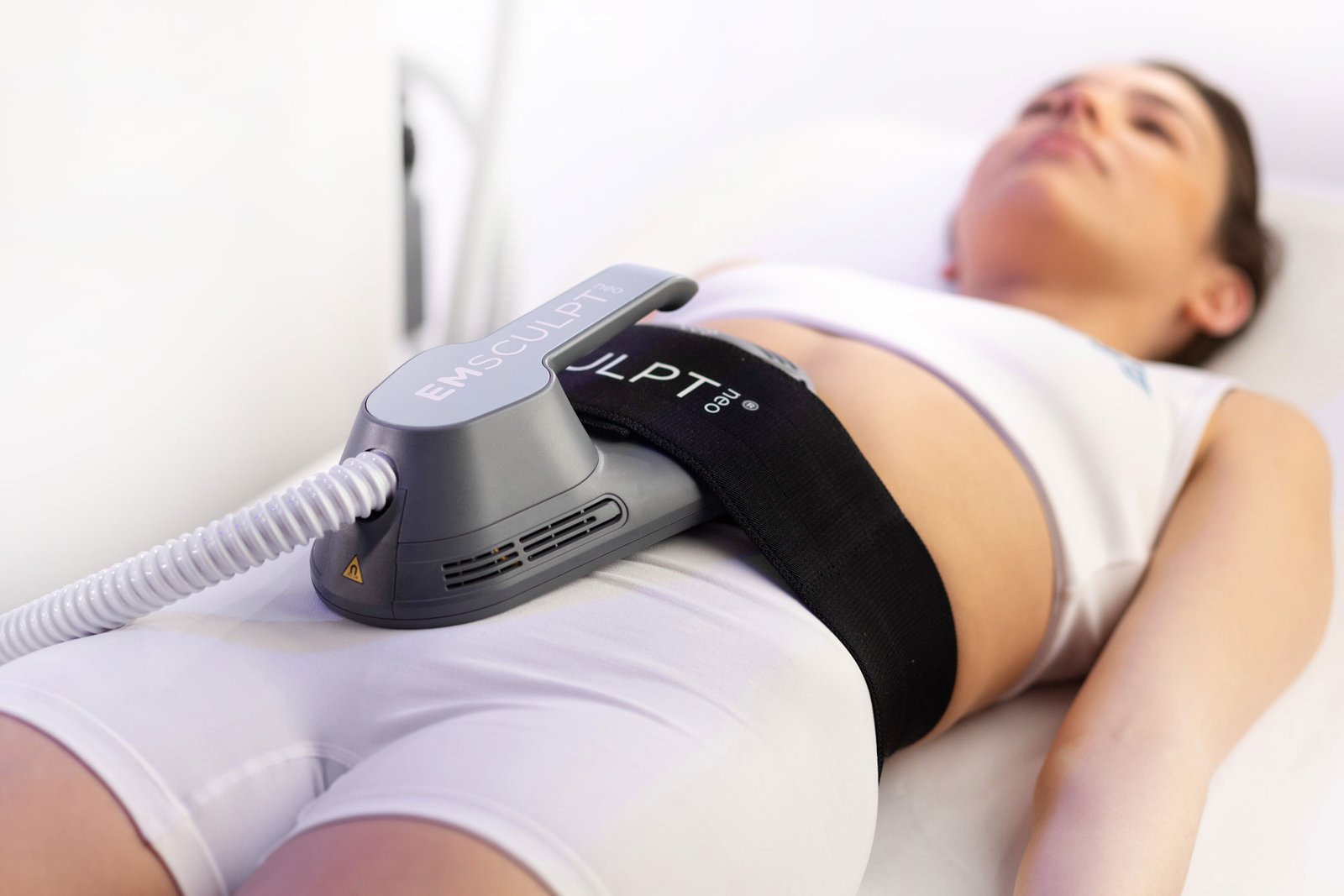
- Supports targeted stubborn fat areas
- Helps improve body contour and shape
- Can be paired with healthy lifestyle habits
- Non-invasive with minimal to no downtime
Who Is This Most Suitable For?
This guide may be relevant if you:
- Exercise regularly but see little change in certain body areas
- Feel your weight changed, but your body shape did not improve much
- Struggle with belly fat, arms, thighs, flanks, or soft contours
- Prefer a non-surgical approach with minimal disruption to your routine
- Want personalised advice before choosing a treatment plan
A consultation helps assess whether your concern is mainly stubborn fat, skin laxity, muscle tone, or a combination of factors.
FAQ: Not Losing Fat Even With Exercise
You may be experiencing a fat loss plateau. Over time, the body adapts to exercise and calorie changes, making fat loss slower even when you stay consistent. Stress, sleep, hormones, and daily movement can also affect results.
More exercise is not always the answer. If your body is under-recovered or stressed, adding more workouts may not improve fat loss. A better approach is to adjust training, improve recovery, and consider targeted support for stubborn areas.
Non-invasive body contouring treatments may help support stubborn fat areas without surgery. Suitability depends on your fat thickness, skin quality, treatment area, and goals.
No. Body contouring is not a weight loss shortcut. It is better suited for targeted contour improvement, especially when paired with stable lifestyle habits.
You may also explore our Fat Bulges condition page or view all Body Treatments for more personalised options.