


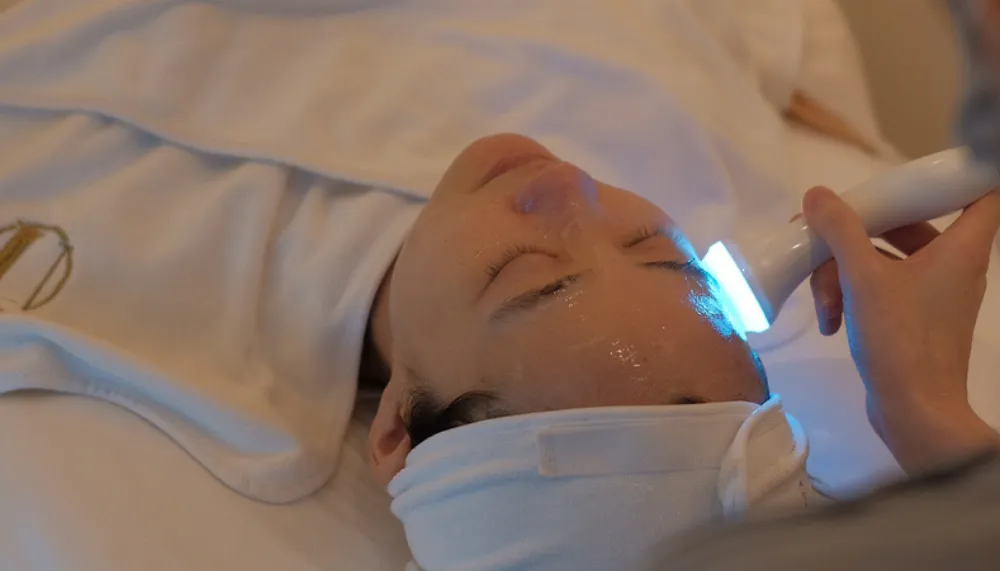
Searching for the best facial treatment in Singapore can feel confusing because different facials target different concerns. This guide compares Hydrafacial, Hydro Facial, and CO2 Facial — in a simple way — so you can choose based on pores, glow, acne, dehydration, and skin sensitivity.
Want a treatment overview? Explore our Hydrafacial® page and CO2 Facial page.
If your goal is deep cleanse + hydration + glow, many choose Hydrafacial. If your goal is stronger exfoliation + texture refinement, some consider CO2 Facial. If you’re unsure, it’s best to match the facial to your current skin condition and sensitivity level.
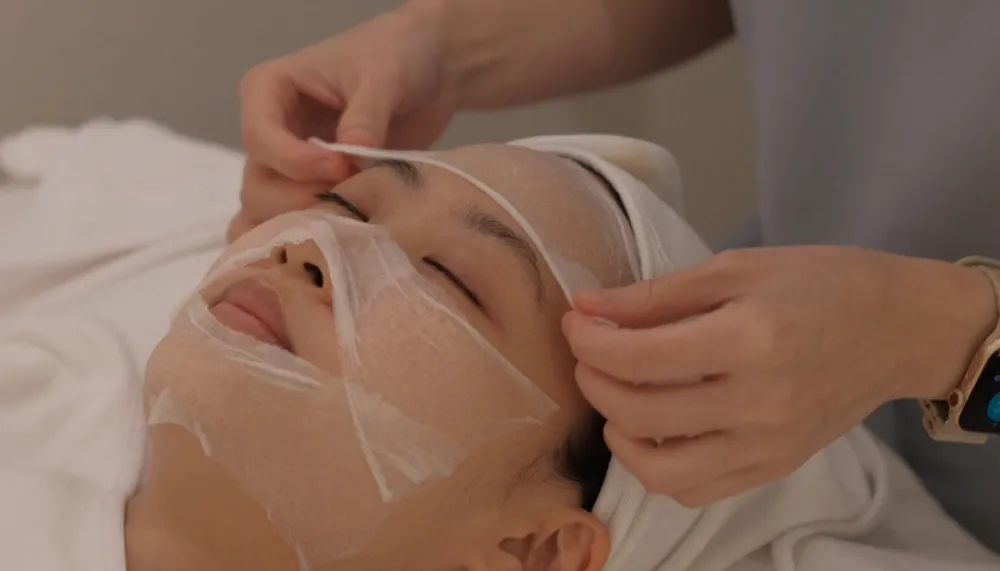
What Each Facial Is (Simple Explanation)
Hydrafacial
Commonly chosen for a “clean + hydrated glow” outcome. It focuses on cleansing, gentle exfoliation and hydration support.
See treatment details on our Hydrafacial® page.
CO2 Facial
Often explored for exfoliation and texture refinement — especially if the skin feels rough, dull or congested.
Learn more on our CO2 Facial page.
“Hydro Facial” is often used as a general term for hydration-focused facials. The exact steps and technology can vary by clinic. If you’re considering Hydro Facial, a skin assessment helps confirm which approach suits you.
Choose by Skin Concern (Singapore-friendly)
Pores / Blackheads / Congestion
Many choose Hydrafacial for a deep-clean feel + hydration support. If congestion is linked to acne, consider targeted options like AC Acne Facial.
Glow / Dull Skin
For quick glow and refreshed look, Hydrafacial® or hydration-focused facials are commonly chosen. You can also explore Waterdrop Shine Facial.
Acne-Prone Skin
Acne-prone skin often benefits from a plan that includes oil-control, pore support and calming steps. Consider AC Acne Facial as a targeted option.
Dry / Dehydrated Skin
If your skin feels tight or flaky (common with aircon + Singapore weather changes), hydration-focused options like Hydrafacial® or Hydro Facial are commonly chosen.
What If You Have Sensitive Skin?
Sensitive skin isn’t a “no facial” situation — it just means your facial choice and steps need to be gentler and more controlled. If you’re reactive, share your history (redness, eczema tendencies, recent peels, retinoids) during consultation.
If you’re unsure, start with a gentle hydration-focused session first, then adjust based on response. Consistency matters more than “one very strong session”.
How Often Should You Do a Facial?
A common maintenance frequency is once every 3–4 weeks. If you have active acne or congestion, you may start slightly more frequently, then reduce as your skin stabilises.
- Maintenance: every 3–4 weeks
- Sensitive skin: start gentle and monitor response
- Glow goals: plan before events (but don’t “overdo”)
Can You Combine With Other Treatments?
Many clients pair facials with other supportive treatments depending on concerns (hydration, texture, ageing support). If you’re exploring boosters, you can check Cell Active Booster Facial.
Not sure which facial fits your skin right now? Speak with our consultants for a calm, non-pushy recommendation.
It depends on your skin goal. Hydrafacial® is commonly chosen for deep cleansing, hydration and glow, while CO2 Facial is often explored for exfoliation and texture refinement. The best option depends on sensitivity and your current skin condition.
They are similar in concept (cleansing + exfoliation + hydration), but the steps and technology may vary by clinic. If you’re considering Hydro Facial, a consultation helps confirm the method and suitability.
Many choose Hydrafacial® for pores because it focuses on cleansing and hydration support. If pores are linked to acne, targeted options like AC Acne Facial may be recommended based on assessment.
A common schedule is once every 3 to 4 weeks for maintenance. If you have active acne or congestion, the ideal frequency depends on your skin condition and sensitivity.
Want a facial plan that matches your skin (not guesswork)? Speak with our consultants — calmly, honestly, and without pressure.