

The best facial for acne-prone skin is not the strongest or most aggressive one. It is the one that matches what is actually happening in your skin — whether that is excess oil, clogged pores, blackheads, sensitivity, dehydration or active inflammation.
Quick answer: For mild congestion and acne-prone skin, a well-planned facial may support cleansing, gentle exfoliation, careful extraction and hydration. Painful, cystic, nodular, infected or scarring acne needs medical assessment rather than relying on facials alone.
If you are looking for a professional option, explore our AC Acne Facial in Singapore . If you are still comparing different facial categories, our Singapore facial treatment guide explains how to choose by skin concern instead of by trend.
- First: understand what type of breakout you have
- What can a facial realistically help with?
- What should an acne-prone facial include?
- What should acne-prone skin avoid?
- Are extractions always a good idea?
- Acne facial vs Hydrafacial vs regular facial
- When a facial is not enough
- Aftercare for acne-prone skin
- Frequently asked questions

First: “Acne-Prone Skin” Can Mean Very Different Things
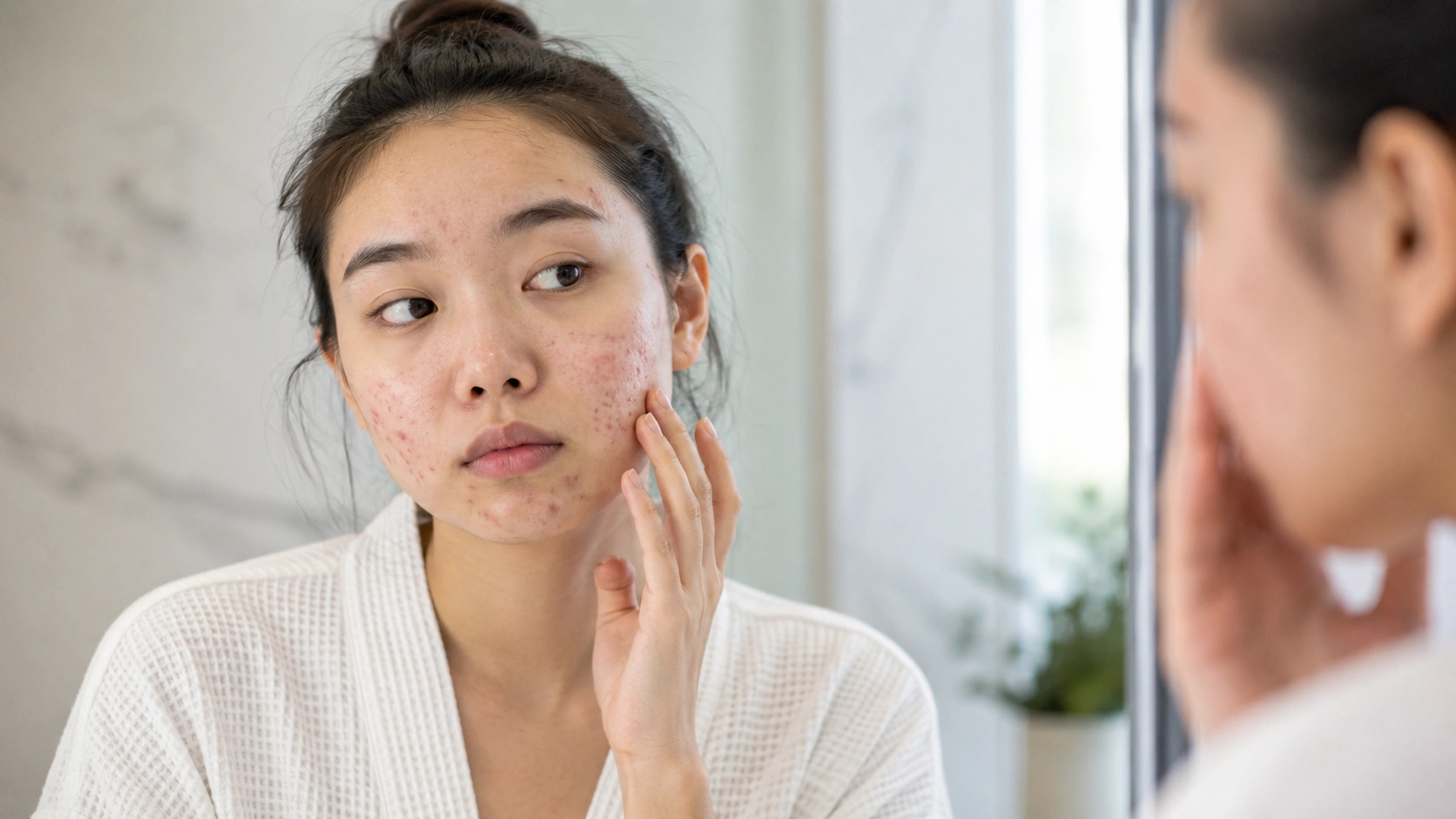
Two people can both say they have acne-prone skin but need very different care. One person may mainly have blackheads and whiteheads around the T-zone. Another may have oily skin with occasional pimples. Someone else may be dealing with painful, inflamed breakouts or deep cysts.
That distinction matters because a facial designed for congestion should not be performed the same way on skin that is highly inflamed, injured or medically active. The goal is to support the skin without creating extra irritation.
Mostly Congested
Blackheads, whiteheads, visible clogged pores and excess surface oil may benefit from controlled cleansing and appropriate exfoliation.
Mostly Inflamed
Red, painful, swollen, cystic or nodular breakouts require more caution. Severe or scarring acne should be assessed medically.
Singapore's HealthHub acne guidance recommends medical review when acne is severe, includes nodules or cysts, is infected, is causing scars, or is not improving with appropriate care.
What Can a Facial Realistically Help With?
A cosmetic facial should not be positioned as a cure for acne. Where it can be useful is in supporting the surface conditions that often accompany acne-prone skin — such as excess oil, dead-skin buildup, clogged pores, dehydration and a disrupted skin-care routine. If congestion and oiliness are your main concerns, our AC Acne Facial is the most directly relevant U Aesthetics treatment to explore.
| Skin Concern | What a Suitable Facial May Support | What It Should Not Promise |
|---|---|---|
| Blackheads / whiteheads | Gentle cleansing, controlled exfoliation and careful extraction where appropriate | Permanent prevention of all future congestion |
| Oiliness | Removing surface buildup and selecting lighter, non-comedogenic hydration | Changing hormones or permanently stopping oil production |
| Dehydrated acne-prone skin | Barrier-supportive hydration without heavy occlusive products | Replacing medical acne treatment |
| Inflamed acne | Gentle, non-irritating skin support when appropriate | Forceful extraction of painful lesions or treatment of severe acne |
The American Academy of Dermatology also emphasises gentle cleansing and avoiding abrasive scrubbing because irritation can worsen acne-prone skin.
What Should You Look for in a Facial for Acne-Prone Skin?
Rather than looking for the facial with the longest list of steps, look for a treatment that can be adjusted to your skin on the day of your appointment.
skin assessment → gentle cleansing → appropriate exfoliation → selective extraction only when suitable → calming / hydrating care → non-comedogenic finishing products → clear aftercare.
1. A proper skin assessment
The therapist should distinguish between simple congestion, active inflammation, sensitivity, dehydration and signs that need medical review. This determines how much exfoliation or extraction is appropriate.
2. Controlled exfoliation
Exfoliation can help remove surface buildup, but stronger is not always better. Over-exfoliated skin can become irritated, tight and more reactive. The type and intensity should be adjusted to your current products, sensitivity and treatment history.
3. Hydration that will not feel heavy
Acne-prone skin can still be dehydrated. A facial should not strip the skin until it feels squeaky-clean. Lightweight, non-comedogenic hydration can support comfort and the skin barrier. For skin that feels congested yet dehydrated, Hydrafacial is another treatment option worth comparing when active breakouts are suitable for a cosmetic facial.
What Should Acne-Prone Skin Avoid During a Facial?
Common mistakes happen when acne is treated as if the skin simply needs to be scrubbed harder. In reality, aggressive friction and repeated irritation can make the skin look redder and feel more sensitive.
- Harsh physical scrubbing: especially over inflamed or compromised skin.
- Trying to extract every bump: not every lesion is suitable for extraction.
- Stacking too many strong actives: especially if you already use retinoids, acids or prescribed acne products.
- Heavy products that feel occlusive: choose finishing care suitable for acne-prone skin.
- Picking after treatment: this can increase irritation and the chance of post-acne marks.
If your skin is currently irritated from an active-heavy routine, tell your therapist what you are using before the facial. A gentler session — or postponing treatment — may be more appropriate.
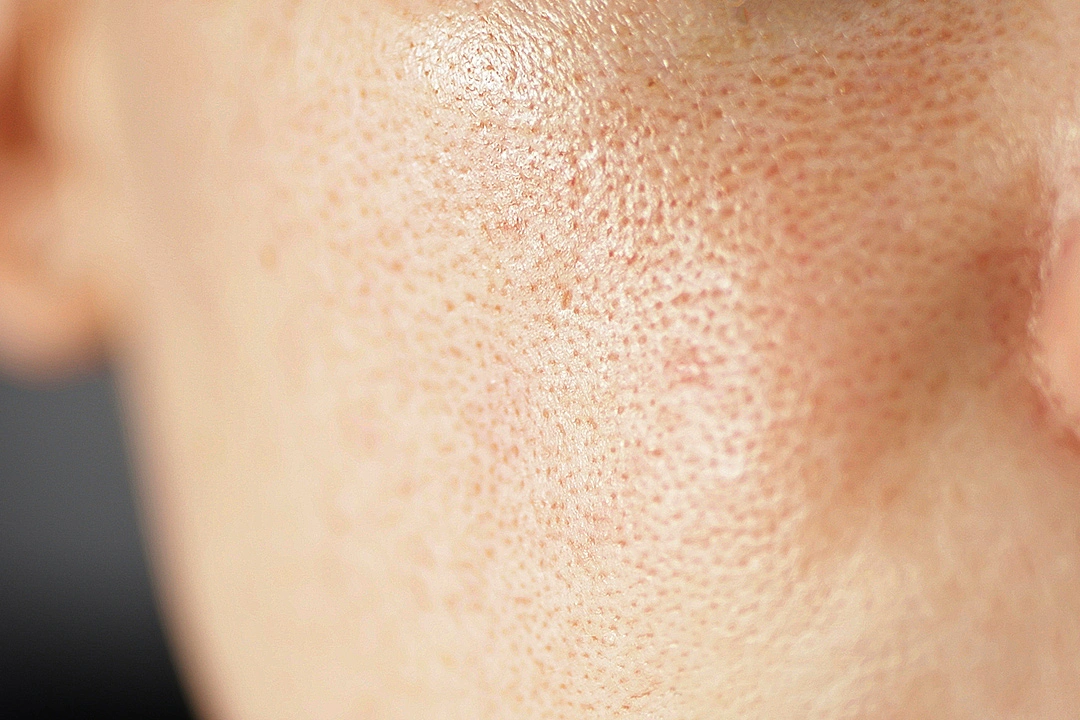
Are Extractions Always Good for Acne?
No. This is one of the most important distinctions when choosing an acne facial.
Some blackheads and non-inflamed clogged pores may be suitable for careful professional extraction. Inflamed pimples, painful bumps, cysts and nodules should not be treated as if they are ordinary blackheads. Forceful squeezing can increase trauma and may contribute to marks or scarring.
Simple rule: extraction should be selective, not a target count. A facial is not “better” because more spots were squeezed.
If you have stubborn blackheads or whiteheads that are not clearing, a dermatologist can also advise whether medical acne treatment or professional comedone extraction is appropriate.
Acne Facial vs Hydrafacial vs a Regular Facial
The best choice depends on the reason you are booking the facial, not the name that sounds most premium.
| Option | May Suit | Main Focus |
|---|---|---|
| AC Acne Facial | Acne-prone, oily or congested skin that is suitable for a clarifying treatment | Oil control, pore cleansing, congestion and calming support |
| Hydrafacial | Some clients with congestion, dullness or dehydration, depending on breakout severity | Cleansing, exfoliation, extraction and hydration |
| Regular facial | General maintenance when the treatment can be customised to the skin | Varies widely by facial type and products used |
If you are deciding between treatment styles, our Hydrafacial vs regular facial guide explains the practical differences in cleansing, extraction, hydration and treatment goals. You can also browse our full range of facial treatments in Singapore to compare options by skin concern rather than choosing by treatment name alone.
When a Facial Is Not Enough
Facials belong in the cosmetic skin-care category. Acne itself is a medical skin condition, and there are situations where a facial should not be the main solution.
Book a medical review if you have deep painful nodules or cysts, widespread inflamed acne, signs of infection, active scarring, or breakouts that are not improving despite consistent appropriate care. Prescription treatment may be needed, and delaying effective acne management can increase the risk of persistent marks or scars.
For evidence-based acne treatment and self-care guidance, refer to American Academy of Dermatology acne treatment guidance and Singapore's HealthHub acne information.
Aftercare: Keep It Simple
After a facial, acne-prone skin usually benefits from a simple routine rather than immediately adding more actives.
- Cleanse gently. Avoid scrubbing or repeatedly washing the face.
- Use non-comedogenic hydration. Acne-prone skin still needs barrier support.
- Wear sunscreen. This is particularly important if exfoliation was part of the facial.
- Do not pick. Give any mild post-treatment redness time to settle.
- Follow personalised instructions. If you use prescription or strong active products, ask when to restart them.
How often you should repeat a facial depends on what was performed and how your skin responds. There is no reason to force a fixed schedule if the skin is irritated or does not need another session yet.
Frequently Asked Questions
A facial can support acne-prone skin when the main concerns are surface oiliness, congestion, blackheads, whiteheads or dehydration. It should be gentle and matched to the skin condition. A facial is not a substitute for medical treatment when acne is moderate, severe, painful, cystic or scarring.
There is no single best facial for everyone. A suitable treatment usually prioritises gentle cleansing, controlled exfoliation, careful extraction only when appropriate, non-comedogenic hydration and skin-barrier support.
Overly aggressive scrubbing, strong exfoliation or unnecessary squeezing can irritate acne-prone skin. A good facial should be adjusted to the skin on the day of treatment.
Blackheads and some non-inflamed clogged pores may be suitable for careful professional extraction. Inflamed pimples, cysts and nodules should not be forcefully squeezed.
Frequency depends on skin sensitivity, the type of facial, current products or medications and how the skin responds. There is no compulsory schedule.
Hydrafacial may suit some people with congestion, oiliness or dehydration, but suitability depends on the type and severity of breakouts. Active, painful or severe acne should be assessed medically.
Seek medical advice if acne is severe, painful, cystic, nodular, infected, causing scars, or not improving with appropriate over-the-counter care.
Keep aftercare simple: use a gentle cleanser, avoid picking, use non-comedogenic moisturiser and sunscreen, and avoid adding multiple strong exfoliants immediately after treatment unless advised.
Not sure which facial suits your current breakout pattern? Explore our AC Acne Facial , browse facial treatments in Singapore , or chat with U Aesthetics on WhatsApp for a personalised assessment.