

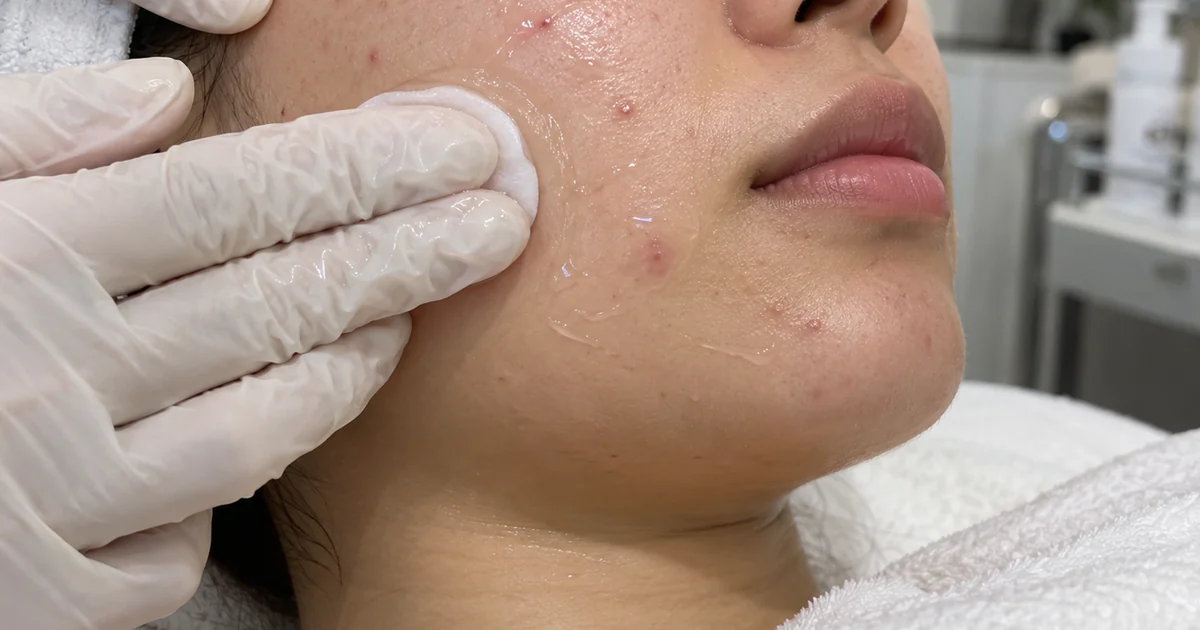
After an acne-focused facial, the skin may be more sensitive—especially if cleansing, extraction or exfoliation formed part of the session. Knowing how to look after your skin can help avoid unnecessary irritation. This Singapore-focused guide explains practical aftercare considerations, rather than repeating which acne facial to choose or how often to schedule one.
Considering a professional option? Explore our AC Acne Facial treatment page for consultation and service information.
At a glance
After an acne facial: the essentials
Use only the cleanser and moisturiser suitable for your treatment plan.
Be cautious with scrubs, picking and active ingredients immediately afterwards.
Contact the provider if redness, pain or swelling is increasing rather than settling.
Aftercare depends on whether the session involved extraction, exfoliation or other steps.
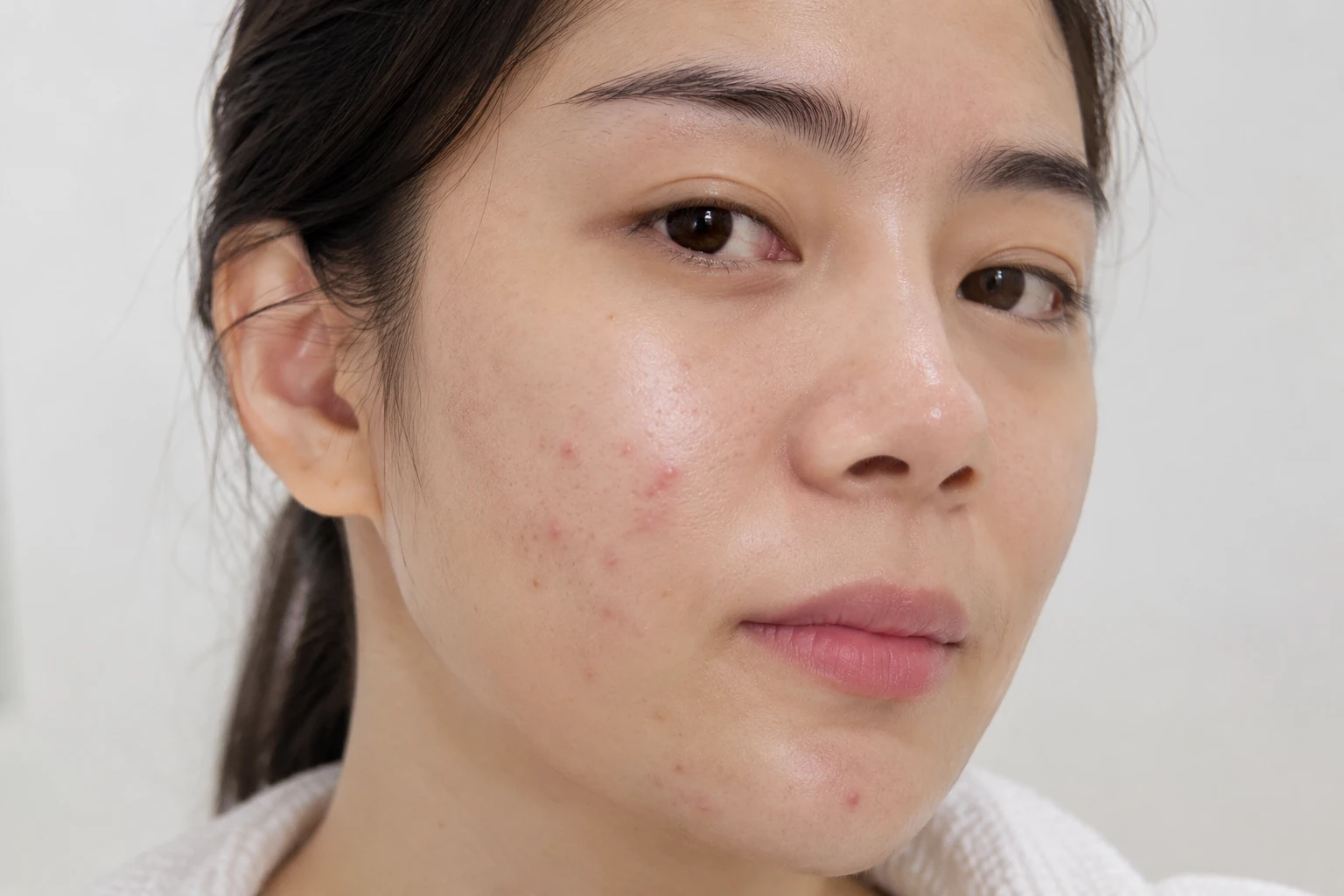
Follow the aftercare instructions given by the therapist who assessed your skin. A simple routine usually means gentle cleansing, a suitable moisturiser and sun protection. Avoid adding several new or strong products at once immediately after the session, particularly if your skin feels tender. Your individual instructions take priority over general internet advice.
What Should You Do After an Acne Facial?
Follow the aftercare instructions given by the therapist who assessed your skin. A simple routine usually means gentle cleansing, a suitable moisturiser and sun protection. Avoid adding several new or strong products at once immediately after the session, particularly if your skin feels tender. Your individual instructions take priority over general internet advice.
Quick do / avoid guide
Recommended approach
- Follow instructions for the exact facial you received.
- Choose gentle skincare that your provider recommends.
- Use suitable sun protection when advised.
- Get advice for an unexpected skin reaction.
Be careful with
- Picking or squeezing treated spots.
- Scrubs and unapproved exfoliating actives.
- Layering several new products on sensitive skin.
- Calling every new breakout “purging”.
What Should You Avoid Immediately After Treatment?
| Prefer / ask your provider | Avoid while skin is sensitive |
|---|---|
| Cleanse gently if your provider agrees | Scrubbing, picking or squeezing recently treated areas |
| Use a simple moisturiser if suitable | Adding multiple new skincare products at once |
| Use suitable sun protection | Unadvised exfoliating acids, peels or abrasive tools |
| Follow treatment-specific instructions | Assuming every acne facial has identical aftercare |
Always follow the advice given for the exact procedure performed.
Do not pick or squeeze blemishes or recently extracted areas. Avoid abrasive scrubs, harsh rubbing and unadvised repeat exfoliation while the skin is sensitive. Ask your provider when to resume active ingredients such as retinoids, exfoliating acids or benzoyl peroxide, as the appropriate timing depends on what happened during the facial and your current skincare routine.
Can You Wear Makeup After an Acne Facial?
The answer depends on irritation and the steps performed. If your skin is red or tender, consider keeping the area free of unnecessary products until your therapist says it is appropriate. When you resume makeup, clean tools and a gentle removal routine can help reduce avoidable friction.
Is Redness or a Breakout Normal?
Temporary redness or sensitivity can happen, particularly after extractions, but not every new blemish should automatically be described as a “purge”. Persistent, worsening or painful reactions need assessment. If you notice significant swelling, blistering, spreading irritation or signs of infection, contact a qualified healthcare professional promptly.
A Simple Post-Facial Routine
Morning
If advised: gentle cleanse, moisturise and use appropriate broad-spectrum sunscreen.
Evening
Remove makeup gently if worn; cleanse without scrubbing and moisturise.
Prescription acne products
Do not independently stop or change prescribed medication; ask your clinician about timing.
If irritation develops
Simplify the routine and contact the provider about unexpected or worsening symptoms.
In the morning, cleanse gently if appropriate, moisturise and use broad-spectrum sunscreen as advised. At night, remove makeup carefully, cleanse without scrubbing and moisturise. Avoid unnecessary product changes until your skin has settled. If you are under dermatological treatment for acne, do not stop or alter prescribed medication without medical guidance.
When Should You Plan Your Next Session?
Frequency depends on acne severity, skin sensitivity, the procedure and any medication you use. Our existing article on how often to get an acne facial discusses intervals in more detail. To understand the treatment offered at U Aesthetics, see the AC Acne Facial service page and arrange an assessment if you are unsure about suitability.
A sensible first-day routine
-
1
Before leaving
Confirm what was done and any product or activity restrictions.
-
2
Later the same day
Keep cleansing and moisturising simple, as advised.
-
3
Before bed
Do not pick or scrub, and check for unusual irritation.
-
4
Next morning
Use gentle care and ask when to restart active skincare.
A Practical First-Day Routine After an Acne Facial
Immediately after an acne-focused facial, ask the therapist exactly which steps were performed. A session involving gentle cleansing may require different aftercare from one involving extractions, exfoliating acids or more intensive procedures. The actual treatment—not the article title—should determine the instructions.
Cleanse gently. If the provider advises washing your face, choose a mild cleanser and use lukewarm water. Avoid scrubbing, rough washcloths and multiple cleansing rounds simply because your skin feels oily. Repeated washing can worsen irritation.
Protect the moisture barrier. A simple moisturiser without unnecessary fragrance may help skin feel comfortable, provided it is suitable for your skin and your provider agrees. “Acne-prone” does not mean the skin should feel stripped or dry.
Keep sun protection practical. Ask when to resume your usual sunscreen if the skin has been exfoliated or feels sensitive. Shade and limiting unnecessary direct sun exposure are additional sensible precautions.
Avoid picking. Redness or a small spot can be tempting to squeeze, especially after extractions. Picking may increase inflammation and the risk of marks. If a new lesion is painful, let a suitable healthcare professional assess it rather than trying to extract it at home.
Which Skincare Ingredients May Need a Temporary Pause?
| Product category | Why you should check first |
|---|---|
| Retinoids | Can increase irritation, especially if the facial included exfoliation. |
| AHAs / BHAs | Additional exfoliation may aggravate recently treated skin. |
| Benzoyl peroxide | May cause dryness or sensitivity; ask when to resume it. |
| Fragranced or abrasive products | May be less tolerable while the skin is recovering. |
There is no universal restart time; it depends on the procedure and prescribed skincare plan.
Many acne routines contain products that can irritate freshly treated skin. Examples include exfoliating alpha-hydroxy acids, beta-hydroxy acids, retinoids and benzoyl peroxide. Whether to pause an ingredient, and for how long, depends on the facial performed, skin sensitivity and any prescribed treatment plan. There is no safe universal “resume after exactly 24 hours” rule for every person.
If you use prescription acne medicines, tell your therapist in advance and confirm changes with the prescribing clinician. Do not discontinue prescribed medication based solely on general spa aftercare advice. Bringing a photograph of your routine or a short list of product names can make the consultation more useful.
Also be cautious about adding new serums, masks, spot treatments or fragranced products on the same evening. More steps do not necessarily mean better recovery. When skin feels reactive, fewer well-tolerated products may be easier to manage until you receive specific instructions.
Purging, Breakouts and Irritation: Why the Terms Matter
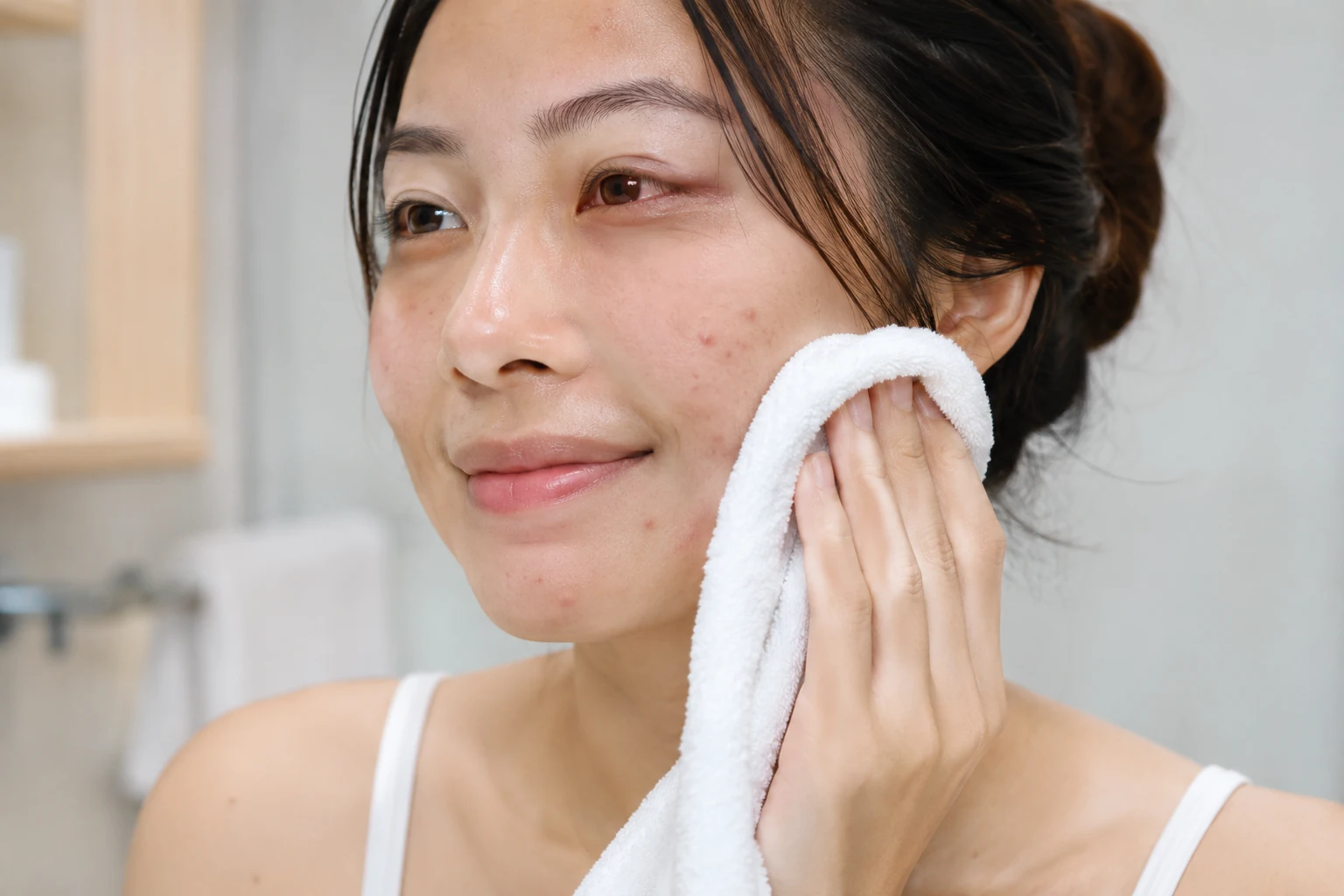
An unexpected breakout or worsening redness should not automatically be described as “purging.” Discuss new or persistent reactions with your provider.
People sometimes use “purging” to describe any new breakout after a facial. That is not a reliable diagnosis. New spots might reflect the normal course of acne, irritation, sensitivity to a product or a separate skin condition. Calling every response “purging” can delay appropriate assessment.
Mild temporary redness can occur following some facial procedures, but increasing pain, marked swelling, blistering, widespread rash or symptoms that continue to worsen require professional advice. Contact the treatment provider if anything is unexpected, and seek medical assessment for persistent or severe reactions.
If you repeatedly experience uncomfortable reactions after facials, it may be worth reviewing whether your existing acne treatment, skin-barrier sensitivity and facial intensity are compatible. The right question is not simply whether a product is “acne-safe”; it is whether it suits your skin and treatment history.
The Following Week: Keeping Your Routine Consistent
| Stage | Reader-friendly reminder |
|---|---|
| First day | Clarify what was done, use gentle care and monitor how skin responds. |
| Next few days | Avoid unnecessary products and resume actives only as advised. |
| After skin settles | Return gradually to a consistent, well-tolerated routine. |
| Before your next facial | Share any sensitivity or breakouts with the provider for treatment planning. |
Once your skin has settled and your treatment provider has confirmed it is appropriate, return gradually to your normal, well-tolerated routine rather than introducing several new products simultaneously. A simple morning routine might involve gentle cleansing if needed, moisturiser and suitable sunscreen. An evening routine may include cleansing, moisturising and any advised acne medications.
Try not to judge the success of a facial solely from how the skin looks the next morning. Active acne is influenced by many factors, and a single session cannot be expected to eliminate every lesion or prevent future breakouts. Persistent, moderate or severe acne may require assessment by a medical professional and evidence-based medical treatment.
For people attending events, allow flexibility between a new facial treatment and an important occasion. If you are unsure how your skin will respond, ask your therapist about the safest schedule before booking.
Five useful questions to ask your therapist
- Which extraction or exfoliating steps were performed?
- What should my skin feel and look like tonight?
- Which skincare products should I pause?
- When can I resume makeup and exercise?
- Which symptoms mean I should call the provider?
Five Questions to Ask Before Leaving the Treatment Room
1. What exactly was done today? Ask whether extractions, exfoliation or other steps were performed. This helps you understand why your aftercare may be different from a friend’s.
2. Which products can I use tonight? Confirm your cleanser, moisturiser, sunscreen and any acne treatments, including those prescribed by a doctor.
3. What reactions are expected? Ask what degree of redness or sensitivity may occur and what signs should prompt you to call.
4. When can I resume makeup, exercise or another facial? Personalised timing is better than applying a generic online schedule.
5. Who should I contact if my skin worsens? Keep the provider’s contact details and seek medical attention if symptoms are concerning or severe.
How Aftercare Supports Your Next Treatment Decision
Aftercare is also useful feedback. If your skin felt comfortable and recovered as expected, mention that at your next appointment. If you experienced persistent sensitivity or a flare-up, the provider should know before recommending a repeat session. This gives the team an opportunity to reconsider the procedure, intensity or suitability.
U Aesthetics’ AC Acne Facial service page explains its treatment offering, while this guide deliberately stays focused on post-treatment care. For an explanation of scheduling considerations, see our existing article on how often to get an acne facial. Keeping these questions on separate pages helps readers find the right answer without duplicating commercial treatment content.
Frequently Asked Questions
Avoid further exfoliation while the skin is irritated and follow your therapist’s recommended interval.
Ask your provider when to resume your usual active products because this depends on the procedure and your skin.
No. Picking and squeezing can worsen irritation and may increase the chance of marks or infection.
Seek medical advice for severe, painful, scarring or persistent acne, or if you develop concerning reactions after a facial.
Want to discuss whether a treatment is suitable for your concern? Read about AC Acne Facial treatment or contact our team to arrange a personalised consultation.


